

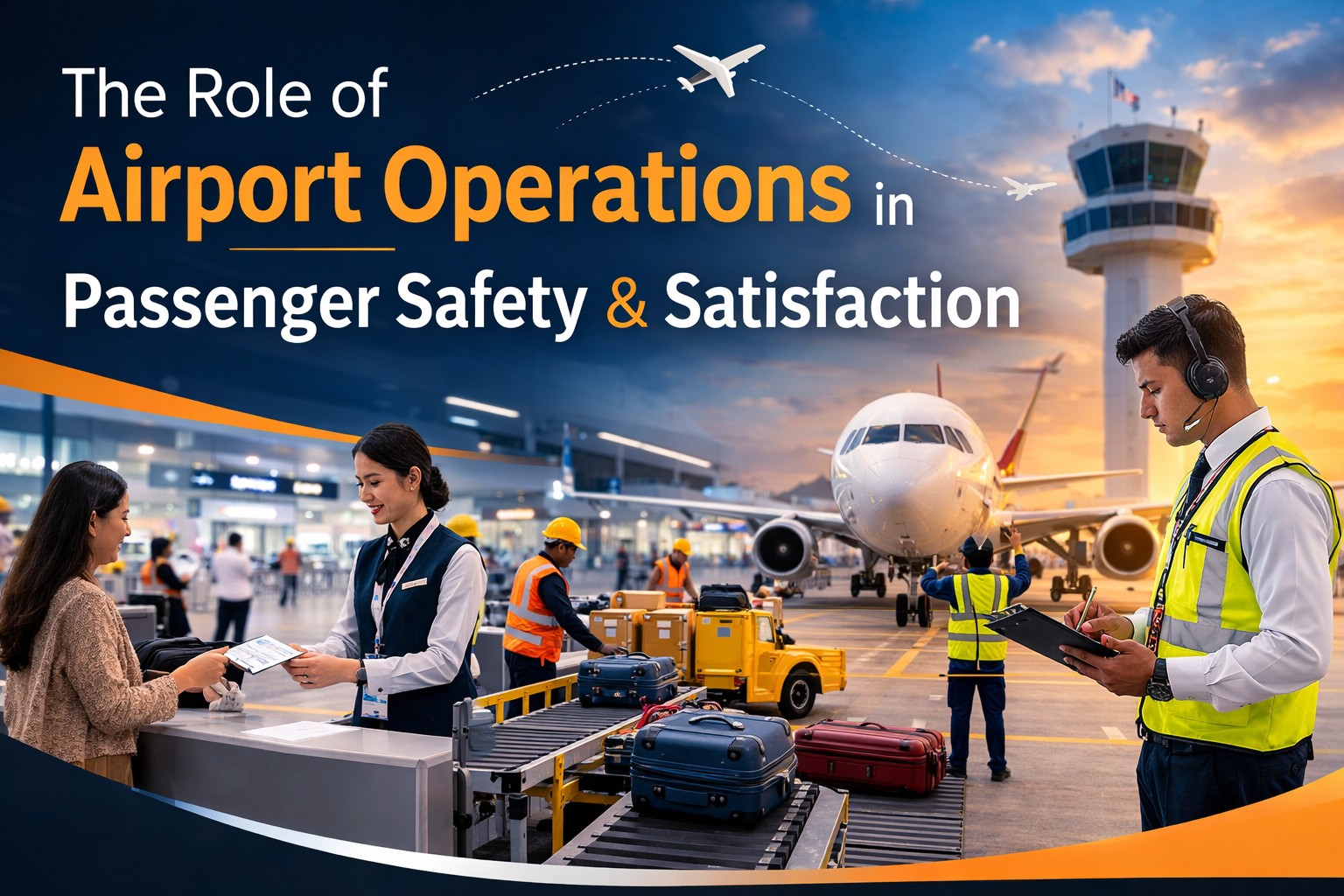
Air travel is one of the safest and most efficient modes of transportation in the modern world. Behind every smooth flight experience lies a highly organized system that ensures passengers move safely and comfortably through airports. From security screening and baggage handling to flight coordination and passenger assistance, airport professionals play a critical role in maintaining operational excellence. This is why airport operations training courses have become increasingly important for individuals looking to build a successful career in aviation.
Professionals who complete specialized airport management courses and airport operations courses gain the skills needed to manage real world airport activities. For students seeking aviation training in Kerala, programs like an airport operation course in Kannur offer industry relevant knowledge and hands on exposure. Institutes such as Retro Aviation focus on preparing future airport professionals who can ensure passenger safety, efficient operations, and high service standards within modern aviation environments.
Understanding Airport Operations
Airport operations refer to the coordination of all activities that take place within an airport to ensure smooth and safe aircraft movement and passenger services. These operations involve multiple departments working together to maintain efficiency and safety standards.
Key areas of airport operations include:
- Passenger check in and boarding coordination
- Ramp and ground handling services
- Baggage handling and cargo movement
- Security and safety procedures
- Flight dispatch and scheduling
- Emergency response and risk management
Through structured airport management courses and practical airport operations courses, students learn how these systems work together to maintain seamless airport functionality.
Ensuring Passenger Safety Through Effective Operations
Passenger safety is the highest priority in aviation. Airport operations teams follow strict protocols and international standards to prevent risks and maintain secure environments.
1. Security Screening and Access Control
Airport operations staff coordinate with security teams to manage passenger screening, baggage checks, and restricted area access. These processes ensure that prohibited items never enter aircraft cabins.
Professionals trained through airport management courses understand international aviation safety regulations and passenger security protocols.
2. Aircraft Ground Safety
Before takeoff, ground teams perform several important safety checks. These include:
- Aircraft parking and pushback coordination
- Refuelling supervision
- Baggage loading procedures
- Communication with cockpit crew
Training programs such as an airport operation course in Kannur prepare students to handle these critical tasks efficiently.
3. Emergency Preparedness
Airports must be ready to respond quickly to unexpected situations. Airport operations professionals are trained in:
- Emergency evacuation procedures
- Fire and rescue coordination
- Crisis management and communication
This type of preparation is commonly covered in advanced airport operations courses, helping professionals maintain calm and control during emergencies.
Enhancing Passenger Satisfaction
While safety remains the top priority, passenger satisfaction plays an equally important role in airport operations. The way passengers experience the airport can significantly influence airline reputation and travel satisfaction.
Smooth Passenger Flow
Efficient passenger movement from check in to boarding improves travel experiences. Airport operations teams manage queues, boarding schedules, and gate assignments to prevent delays.
Students who enrol in airport management courses learn how to design operational strategies that reduce waiting times and improve airport efficiency.
Baggage Handling Efficiency
Lost or delayed baggage can negatively impact passenger experiences. Proper baggage management systems ensure luggage is tracked and delivered accurately.
Specialized airport operations courses teach the logistics and coordination required to handle thousands of bags daily while minimizing errors.
Customer Assistance
Passenger services teams assist travellers with directions, boarding procedures, and special requests. These professionals must possess strong communication skills and service oriented attitudes.
An airport operation course in Kannur often includes training in passenger interaction and customer service, preparing students to handle real world airport scenarios.
The Importance of Skilled Airport Professionals
Modern airports are complex environments that require highly trained professionals. Every department, from operations control to passenger services, must work together to ensure smooth functioning.
Career opportunities in airport operations include:
- Airport operations executive
- Passenger service agent
- Ground handling officer
- Ramp supervisor
- Flight dispatch assistant
- Aviation safety coordinator
By completing industry recognized airport management courses and comprehensive airport operations courses, aspiring professionals gain the technical knowledge and practical skills required to succeed in these roles.
Retro Aviation in Kannur has developed programs designed to meet the growing demand for aviation professionals. Their training combines classroom instruction, industry insights, and practical exposure to help students confidently enter the aviation workforce.
Training for a Career in Airport Operations
The aviation industry continues to expand globally, increasing demand for qualified airport operations specialists. Students interested in aviation careers should focus on gaining both theoretical knowledge and practical training.
Important skills taught in aviation programs include:
- Aviation safety regulations
- Airport logistics and coordination
- Passenger service management
- Communication and teamwork
- Crisis and risk management
A well structured airport operation course in Kannur equips students with these competencies while introducing them to real airport operational environments.
Students who pursue airport management courses or specialized airport operations courses also develop leadership abilities that allow them to manage airport teams and operations effectively.
Conclusion
Airport operations play a fundamental role in ensuring passenger safety, efficient aircraft movement, and overall travel satisfaction. Every successful flight depends on the coordinated efforts of trained professionals who manage ground activities, security procedures, passenger services, and operational logistics. As airports continue to grow and handle increasing passenger volumes, the need for skilled aviation professionals becomes even more critical.
For individuals aspiring to enter the aviation industry, enrolling in airport management courses and airport operations courses provides the knowledge and practical expertise required to succeed. Institutions like Retro Aviation in Kannur offer specialized aviation programs that prepare students for real world airport environments. Those interested in expanding their career opportunities in aviation logistics can also explore the cargo management course in Kerala to gain additional expertise in global cargo and airport logistics operations.