India’s drone industry is expanding rapidly, opening doors for enthusiasts and professionals alike. From aerial photography to agriculture and surveillance, drones are transforming multiple sectors. However, before taking flight, understanding the legal framework is essential. Enrolling in a drone pilot certification course not only equips you with flying skills but also ensures you stay compliant with regulations. If you are planning to start your journey, programs like Drone Pilot Training provide industry relevant guidance aligned with national rules. With structured training and expert led drone certification course modules, aspiring pilots can build a strong foundation while preparing to become a certified drone pilot in India.
Understanding India’s Drone Rules
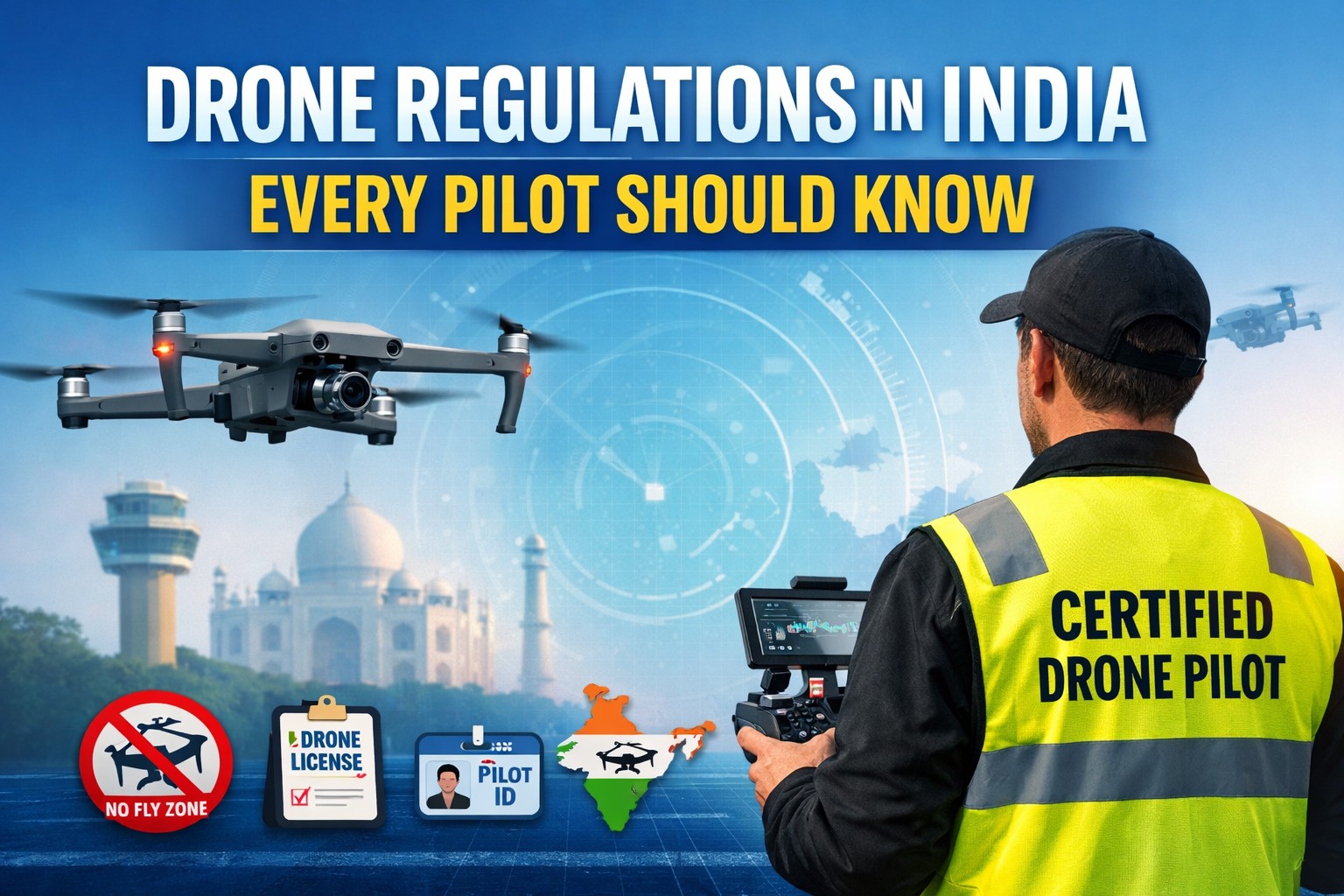
The Government of India introduced the Drone Rules, 2021 to simplify and regulate drone usage across the country. These rules replaced earlier restrictive policies, making it easier for individuals and businesses to operate drones legally.
Key Highlights:
- Digitized approval process via the Digital Sky Platform
- Reduced paperwork and faster permissions
- Categorization of drones based on weight
- Clear guidelines for commercial and recreational use
Completing a drone certification course ensures that pilots understand these frameworks in detail, reducing the risk of violations.
Drone Categories You Should Know
Drones in India are classified based on their weight:
- Nano: Up to 250 grams
- Micro: 250 grams to 2 kg
- Small: 2 kg to 25 kg
- Medium: 25 kg to 150 kg
- Large: Above 150 kg
Each category has specific rules. For example, Nano drones require minimal permissions, while larger drones need strict compliance and proper drone license training.
Registration and Certification Requirements
Before flying, every drone pilot must complete certain formalities:
1. Drone Registration
- Register your drone on the Digital Sky Platform
- Obtain a Unique Identification Number (UIN)
2. Pilot Certification
- Mandatory for Micro and above categories
- Requires training from a DGCA approved institute
A professional drone certification course prepares candidates for these certifications, ensuring they meet DGCA standards.
No Fly Zones and Airspace Restrictions
Understanding where you can and cannot fly is crucial.
Restricted Areas:
- Near airports
- Military zones
- International borders
- Strategic installations
India uses a color coded airspace system:
- Green Zone: No permission required
- Yellow Zone: Requires permission
- Red Zone: Strictly prohibited
Through structured drone license training, pilots learn how to interpret these zones effectively and avoid penalties.
Permissions and Compliance
Flying a drone isn’t just about skill, it’s also about compliance.
Required Steps Before Flight:
- Check airspace on Digital Sky
- Request permission if needed
- Ensure drone firmware is updated
- Carry necessary documents
Training programs like Certified Drone Pilot Training Kannur help students understand these procedures in real world scenarios while guiding them to become a certified drone pilot professionally.
Safety Guidelines Every Pilot Must Follow
Safety is a top priority in drone operations. Here are essential rules:
- Maintain visual line of sight
- Avoid flying over crowds
- Do not exceed altitude limits
- Never fly under the influence of alcohol
- Respect privacy laws
A well structured drone certification course emphasizes these safety aspects alongside technical training.
Penalties for Violating Drone Rules
Non compliance can lead to serious consequences:
- Heavy fines
- Confiscation of drone
- Suspension of license
- Legal action
This is why proper drone license training is crucial. It ensures you understand both the rules and the consequences of ignoring them.
Commercial Drone Operations in India
Using drones for business purposes requires additional compliance.
Common Commercial Uses:
- Aerial photography
- Mapping and surveying
- Agriculture monitoring
- Infrastructure inspection
To operate commercially, pilots must complete a recognized drone certification course and gain practical exposure. Many professionals choose to become a certified drone pilot with advanced training programs that include real time projects.
Why Training Matters More Than Ever
With evolving regulations, staying updated is essential. Professional training institutes like theretroaviation.com offer:
- DGCA-aligned curriculum
- Hands-on flying experience
- Industry-relevant case studies
- Expert mentorship
Their drone license training programs are designed to bridge the gap between theory and real world application, making it easier for students to succeed in this competitive field.
Future of Drone Regulations in India
India’s drone ecosystem is expected to grow exponentially. The government is continuously updating policies to:
- Encourage innovation
- Boost commercial applications
- Ensure national security
This makes it the perfect time to enroll in a drone certification course and build a career in this emerging sector.
Conclusion
Understanding drone regulations in India is not optional, it’s essential for every aspiring pilot. From registration to airspace rules and safety guidelines, compliance ensures smooth and legal operations. As the industry grows, trained professionals will have a significant advantage. If you aim to build a career in this field, enrolling in programs like drone instructor courses in kerala can take your expertise to the next level. With the right training and guidance from trusted platforms like theretroaviation.com, you can confidently step into the future and truly become a certified drone pilot in India.
Frequently Asked Questions (FAQs)
1. Do I need a license to fly a drone in India?
Yes, a license is required for flying drones in India, especially for Micro category drones and above. You must complete a drone license training program from a DGCA-approved institute and obtain certification to operate legally.
2. How can I become a certified drone pilot in India?
To become a certified drone pilot, you need to enroll in a DGCA approved drone certification course, complete the required training, and pass the assessment. This ensures you understand both flying skills and regulatory compliance.
3. What are the no-fly zones for drones in India?
No-fly zones include areas near airports, military installations, international borders, and other sensitive locations. These are marked as Red Zones in India’s airspace map, and flying in these areas without permission is strictly prohibited.
4. Is drone pilot training mandatory for commercial use?
Yes, if you plan to use drones for commercial purposes like photography, surveying, or agriculture, completing a drone certification course and proper drone license training is mandatory under Indian regulations.