The global air cargo industry operates on precision, safety, and strict compliance with international regulations. This is where IATA certification plays a crucial role in shaping skilled aviation professionals. As air freight continues to grow, training aligned with International Air Transport Association (IATA) standards ensures that individuals are equipped with the knowledge required to handle cargo operations efficiently. For aspiring aviation professionals, enrolling in a top aviation institute in Kerala that offers globally recognized programs can open doors to a rewarding career. Institutions like Retro Aviation integrate industry relevant curriculum, including IATA certification in Kerala, to bridge the gap between theoretical knowledge and real world logistics operations.
Understanding IATA Standards in Air Cargo
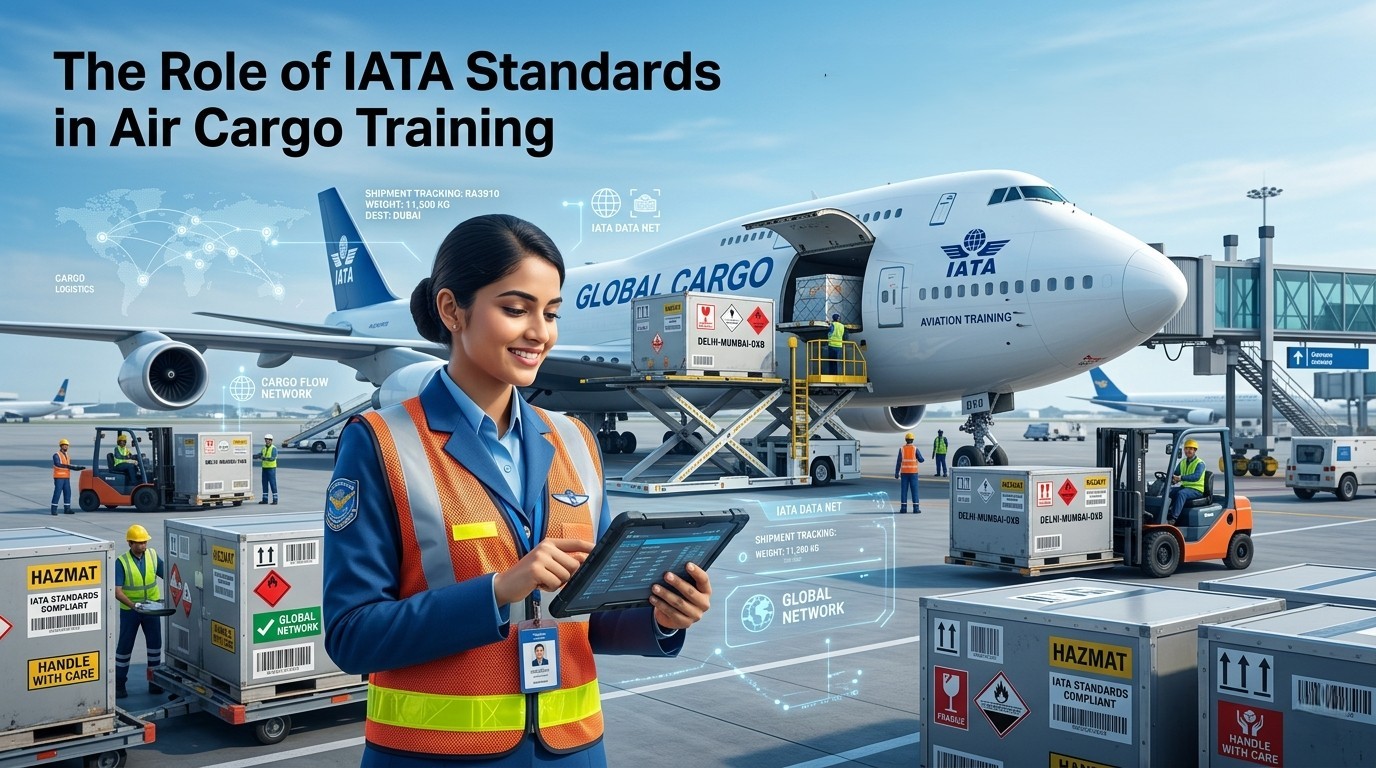
The International Air Transport Association (IATA) sets global benchmarks for airline operations, including cargo handling. These standards ensure uniformity and safety across international logistics networks.
Key Components of IATA Standards:
- Dangerous Goods Regulations (DGR): Ensures safe handling of hazardous materials
- Live Animals Regulations (LAR): Governs safe transportation of animals
- Perishable Cargo Regulations (PCR): Maintains quality of sensitive goods
- Cargo Handling Procedures: Standardizes loading, unloading, and documentation
By learning these frameworks through IATA certification, students gain industry recognized expertise that is applicable worldwide.
Why IATA Standards Matter in Training Programs
Air cargo training is not just about theory, it requires adherence to global compliance systems. Programs that include IATA software basic training certificate modules help students understand real time cargo management systems used by airlines.
Benefits of IATA Based Training:
- Enhances operational accuracy
- Improves safety awareness
- Builds global employability
- Prepares candidates for airline and logistics roles
Choosing a top aviation institute in Kerala ensures that students receive structured exposure to these international practices, making them job ready from day one.
Practical Learning Through IATA Frameworks
One of the strongest advantages of IATA aligned training is its focus on practical application. Courses often include simulations, case studies, and software training.
Core Practical Skills Covered:
- Cargo documentation and airway bills
- Handling dangerous goods shipments
- Airline cargo booking systems
- Warehouse and logistics coordination
A well designed IATA software basic training certificate course helps students understand digital cargo platforms, which are essential in modern aviation logistics.
Career Opportunities After IATA Certification
Completing an IATA certification significantly enhances career prospects in the aviation and logistics sectors.
Popular Job Roles:
- Air Cargo Executive
- Logistics Coordinator
- Freight Forwarding Specialist
- Airline Ground Staff
- Warehouse Operations Manager
Graduates from a top aviation institute in Kerala often find opportunities in airlines, cargo companies, and international logistics firms. The demand for trained professionals continues to rise with the growth of e-commerce and global trade.
The Growing Importance of Digital Cargo Training
With the aviation industry embracing digital transformation, knowledge of cargo management software is no longer optional. Training programs that include advanced modules like IATA software basic training certificate training ensure students are familiar with industry standard systems.
Digital Skills in Demand:
- Cargo tracking systems
- E-freight documentation
- Airline reservation platforms
- Data management for logistics
These skills give candidates a competitive edge, especially when combined with IATA certification, making them highly valuable in the job market.
Why Choose Retro Aviation for IATA Training
Retro Aviation stands out as a top aviation institute in Kerala by offering industry focused training programs tailored to current aviation demands. Their curriculum integrates IATA standards with hands-on experience, ensuring students are fully prepared for real-world challenges.
What Makes Retro Aviation Unique:
- Industry experienced trainers
- Practical exposure to cargo operations
- Modern training infrastructure
- Strong placement support
By enrolling in their programs, students gain both theoretical knowledge and practical expertise aligned with global aviation standards.
Conclusion
IATA standards form the backbone of efficient and safe air cargo operations. Training programs built around these guidelines prepare students to meet international expectations and excel in the aviation industry. From understanding cargo regulations to mastering digital logistics systems, IATA certification equips learners with comprehensive skills. For those aiming to build a successful career in aviation, enrolling in a reputed institute like Retro Aviation can make a significant difference. Their structured approach, combined with global training standards, ensures long term career growth. If you’re ready to take the next step, explore aviation placement training programming in Kannur to gain the skills and opportunities needed to thrive in the competitive world of air cargo and logistics.