
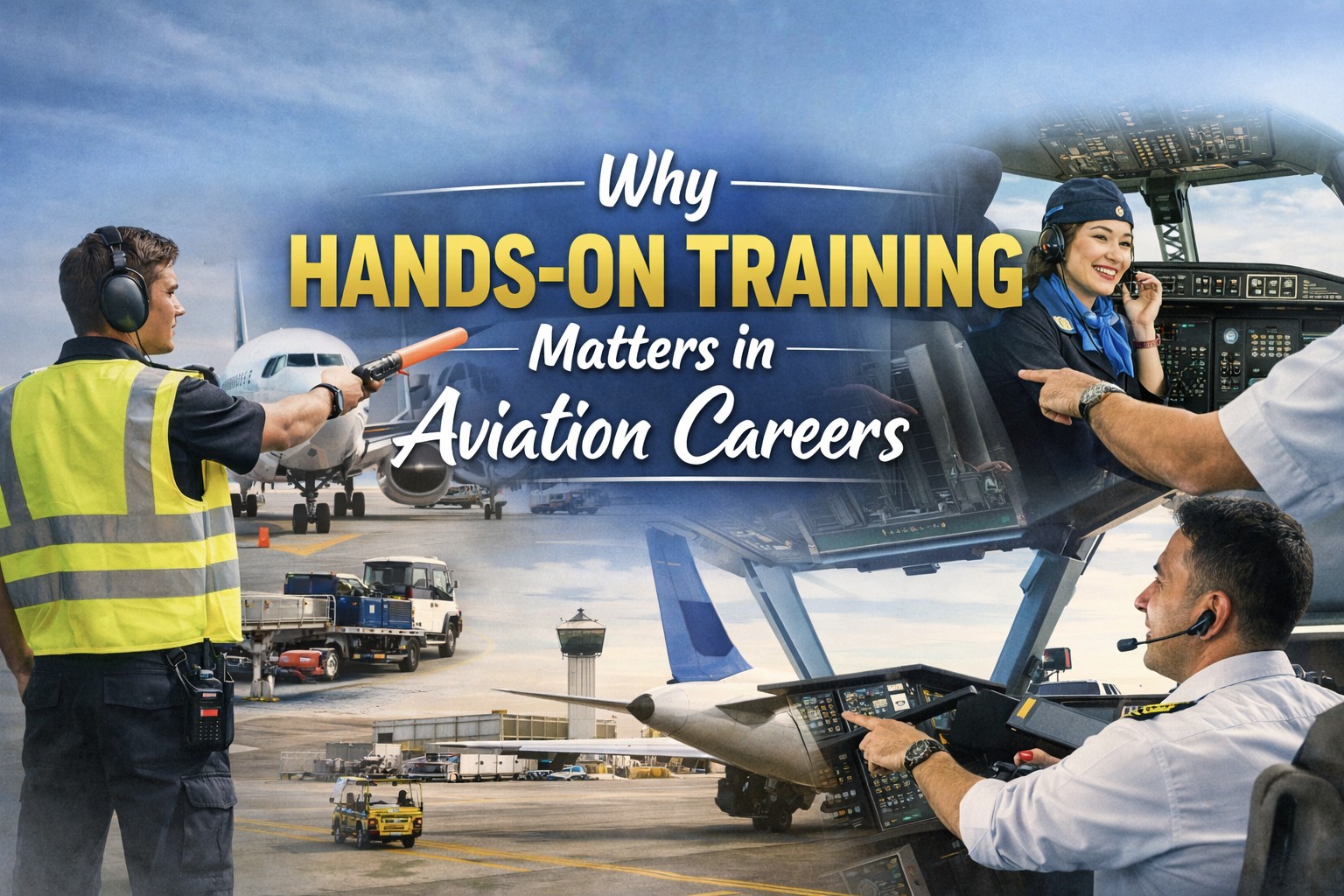
Aviation is an industry where precision, responsibility, and real time decision making define success. While theoretical knowledge lays the foundation, practical exposure is what transforms aspiring professionals into industry ready experts. This is especially true for students pursuing airport operations training in Kannur, where the complexity of real world scenarios demands more than classroom learning. Institutions like retro aviation in Kannur are increasingly focusing on experiential learning to bridge the gap between theory and practice. As the aviation sector continues to evolve rapidly, choosing an aviation institute in Kerala that emphasizes hands-on training can significantly impact career growth. In this blog, we’ll explore why practical training is indispensable for aviation careers and how it shapes competent professionals ready to take on real world challenges.
Understanding the Nature of Aviation Careers
Aviation is not just about flying aircraft; it encompasses a wide range of roles such as:
- Airport operations management
- Ground handling services
- Cabin crew responsibilities
- Air traffic coordination
- Safety and emergency management
Each of these roles involves dynamic environments where quick thinking and precision are crucial. Unlike many other industries, aviation professionals must perform under pressure while ensuring safety and efficiency at all times.
This is where hands-on training becomes essential, it prepares students for real life situations that textbooks alone cannot simulate.
The Limitations of Theoretical Learning
While theoretical education is important, it has certain limitations in aviation:
- Lack of real time decision making experience
- Minimal exposure to actual airport environments
- No direct interaction with operational equipment
- Limited understanding of crisis management
Students studying in even the best aviation colleges in Kannur often realize that theory alone cannot fully prepare them for the challenges of the field. Without practical exposure, there is always a gap between knowledge and execution.
Why Hands-On Training is Crucial
1. Real World Exposure
Hands-on training allows students to experience the real aviation environment, including:
- Airport terminals
- Check in counters
- Baggage handling systems
- Aircraft ground operations
Training with institutions like retro aviation in Kannur ensures students are familiar with actual workflows, making the transition to professional roles smoother.
2. Skill Development Beyond Books
Practical training helps develop essential skills such as:
- Communication and teamwork
- Problem solving abilities
- Time management
- Customer service excellence
These skills are critical in aviation, where professionals interact with passengers, crew, and ground staff daily.
3. Confidence Building
Confidence comes from experience. When students practice tasks repeatedly in real or simulated environments, they become more confident in:
- Handling passengers
- Managing emergencies
- Coordinating operations
An aviation institute in Kerala that prioritizes hands-on learning ensures students are job ready from day one.
4. Better Understanding of Safety Protocols
Safety is the backbone of aviation. Practical training provides:
- First hand experience in emergency drills
- Familiarity with safety equipment
- Knowledge of real time crisis management
This level of understanding cannot be achieved through theory alone.
The Role of Practical Training in Career Growth
Students trained through hands on programs often have a competitive advantage. Employers in the aviation industry prefer candidates who:
- Have prior exposure to airport operations
- Can adapt quickly to work environments
- Require minimal training after hiring
This is why many aspiring professionals look for the best aviation colleges in Kannur with practical exposure, as it directly impacts employability.
How Quality Institutes Integrate Hands-On Training
Top institutes incorporate practical learning through:
- Live airport training sessions
- Internships with aviation companies
- Simulation based learning
- Workshops and industry interactions
Choosing an aviation institute in Kerala that offers these opportunities can make a significant difference in career outcomes.
Institutes like retro aviation in Kannur stand out by combining classroom learning with real world exposure, ensuring students gain both knowledge and experience.
Hands-On Training in Airport Operations
Airport operations is one of the most critical areas in aviation. Practical training in this field includes:
- Passenger handling procedures
- Flight scheduling and coordination
- Ground staff operations
- Security and safety management
Students who receive training in such areas are better equipped to handle real world challenges efficiently.
This is why many students aim to enroll in programs offered by the best aviation colleges in Kannur, where practical exposure is a key component of the curriculum.
Bridging the Gap Between Education and Industry
One of the biggest challenges in aviation education is the gap between academic learning and industry expectations. Hands on training bridges this gap by:
- Providing industry relevant experience
- Enhancing technical and interpersonal skills
- Preparing students for real job roles
An aviation institute in Kerala that emphasizes experiential learning ensures students are aligned with industry standards.
Why Choose the Right Training Institute
Selecting the right institute plays a crucial role in your aviation career. Look for:
- Strong industry connections
- Practical training modules
- Experienced faculty
- Placement support
Institutes like retro aviation in Kannur are known for their commitment to practical learning, helping students build successful careers in aviation.
Conclusion
In the aviation industry, knowledge alone is not enough, practical experience is what truly defines a professional. Hands-on training equips students with the skills, confidence, and real world understanding needed to excel in dynamic aviation roles. From mastering airport operations to handling real time challenges, practical exposure plays a vital role in shaping competent professionals. If you’re planning to build a successful career in aviation, choosing the right training institute becomes crucial. Enrolling in an aviation training institute in Kannur that emphasizes hands-on learning can be the key to unlocking numerous career opportunities. By combining theoretical knowledge with practical experience, you can confidently step into the aviation world and achieve long term success.
Frequently Asked Questions (FAQs)
1. Why is hands-on training important in aviation careers?
Hands-on training is crucial in aviation because it provides real world experience that theoretical learning cannot offer. It helps students develop practical skills, improve decision making, and gain confidence in handling real time situations in airport operations and flight environments.
2. What skills can I gain through practical aviation training?
Through hands-on training, students can develop essential skills such as communication, teamwork, problem solving, customer service, and emergency handling. These skills are vital for roles in airport operations, cabin crew, and ground handling services.
3. Do aviation institutes in Kerala offer hands-on training programs?
Yes, many reputed aviation institutes in Kerala provide practical training through internships, live airport exposure, and simulation based learning. Choosing the right institute ensures better industry readiness and job opportunities.
4. Can hands-on training improve job opportunities in aviation?
Absolutely. Employers prefer candidates with practical experience because they can adapt quickly to real work environments. Hands-on training gives students a competitive edge and increases their chances of securing jobs in top aviation companies.