Becoming a professional pilot is a dream that combines passion, precision, and perseverance. If you’re serious about turning the cockpit into your career, understanding the journey from aspiring aviator to airline-ready professional is essential. This guide walks you through the complete, practical roadmap to earning your commercial pilot license, from eligibility and medicals to flight hours and final certification. Along the way, we’ll also explore how structured programs like pilot training and foundation steps such as starting with a personal pilot license can shape your success. Whether you’re a student researching your first move or a career-switcher planning a bold leap, this blog will give you clarity, confidence, and a clear flight plan forward.
Step 1: Understand Eligibility and Basic Requirements
Before you even enter a flight school, it’s important to check if you meet the basic criteria. Aviation authorities set these standards to ensure safety and readiness.
General requirements include:
- Minimum age (usually 18 for training, 21 for CPL issuance)
- Completion of higher secondary education with Physics and Mathematics
- Proficiency in English (spoken and written)
- Valid Class 1 Medical Certificate
Many students begin by exploring pilot training in Kerala because of its structured academic support and access to aviation-focused institutes that guide them through these initial checks.
Step 2: Clear Your Aviation Medicals
Your medical fitness is non-negotiable in aviation. A Class 1 Medical Certificate ensures you meet vision, hearing, cardiovascular, and overall health standards.
What this involves:
- Eye tests (including color vision)
- Hearing assessments
- ECG and blood tests
- General physical examination
Completing this early saves time and helps you plan your training path with confidence.
Step 3: Start with a Personal Pilot License (PPL)
Before stepping into professional territory, many candidates begin their journey with a personal pilot license. This phase helps you understand the fundamentals of flying in a lower pressure environment.
Why this step matters:
- Builds confidence in aircraft handling
- Introduces aviation communication and navigation
- Helps you confirm your passion for flying
- Lays the groundwork for advanced training
A strong foundation through a personal pilot license often leads to smoother progress when you transition to commercial level flight training.
Step 4: Choose the Right Flight Training Institute
Selecting the right academy is one of the most important decisions you’ll make. Look for institutes that combine quality instruction, modern aircraft, and strong industry connections.
Key factors to evaluate:
- DGCA or aviation authority approvals
- Instructor experience
- Fleet size and aircraft maintenance standards
- Student success and placement support
Programs offering pilot training in Kerala are increasingly popular for their holistic approach, blending academic knowledge with practical exposure and career guidance.
Step 5: Enroll in Ground School Training
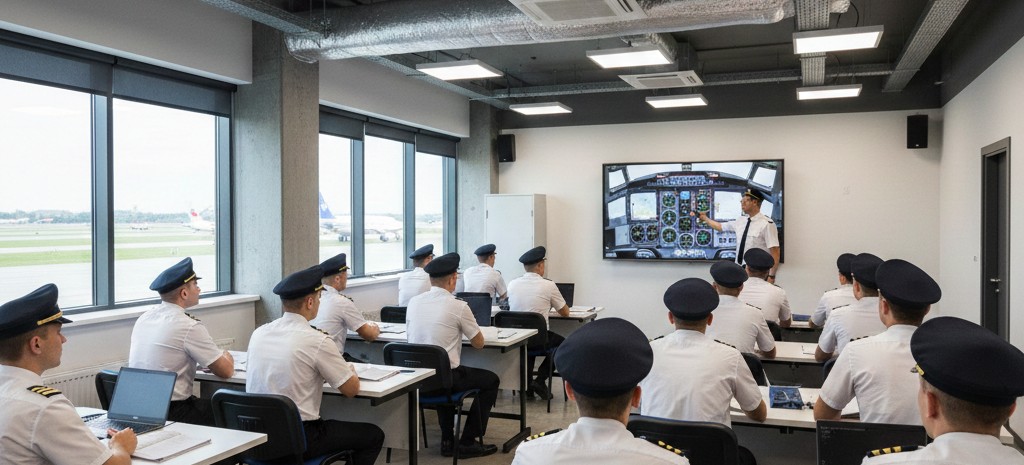
Ground school is where you master the theory behind flight. This stage is just as critical as actual flying.
Subjects you’ll study include:
- Air Navigation
- Meteorology
- Aviation Regulations
- Aircraft Systems
- Flight Planning and Performance
This academic phase complements the skills you developed during your personal pilot license training and prepares you for official aviation exams.
Step 6: Begin Flight Training and Log Hours
Now comes the most exciting part, flying. To qualify for commercial certification, you must log a specific number of flight hours under various conditions.
Typical requirements include:
- Solo flights
- Cross country navigation
- Night flying
- Instrument flying
At this stage, many students start thinking seriously about the long term commercial pilot license cost, as flight hours, fuel, and simulator sessions form a major part of the overall investment.
Step 7: Clear Aviation Authority Exams
You’ll need to pass a series of written and practical exams conducted by the aviation authority. These tests validate your theoretical knowledge and real world flying competence.
Exam categories often cover:
- Air Law
- Technical General and Specific
- Navigation
- Meteorology
Strong academic support during pilot training can make a big difference here, as structured revision and mock tests help reduce stress and improve performance.
Step 8: Complete Advanced Flight Training
This stage fine tunes your professional skills and prepares you for airline or charter operations.
Advanced training may include:
- Multi engine aircraft flying
- Instrument Rating (IR)
- Crew Resource Management (CRM)
- Simulator based emergency handling
This is also when most students reassess their commercial pilot license cost to plan finances for type rating or airline preparation programs.
Step 9: Apply for Your Commercial Certification
Once you’ve completed your flight hours, medicals, and exams, you can submit your documentation for certification.
You’ll typically need:
- Flight logbooks
- Exam pass certificates
- Medical clearance
- Training completion records
Upon approval, you officially become a commercially licensed pilot, ready to explore airline, charter, cargo, or corporate flying opportunities.
Step 10: Build Experience and Career Pathways
Your journey doesn’t stop at certification. Many pilots build experience through:
- Flight instruction roles
- Regional airline operations
- Cargo and charter services
Institutes offering pilot training in Kerala often provide career counseling, interview preparation, and airline networking support to help you move confidently into the job market.
Why Choose a Structured Aviation Institute?
A professional institute does more than teach you how to fly, it helps you become an industry ready pilot. From academic coaching and simulator training to soft skills and placement assistance, the right environment can shape your entire career.
Students who progress from a personal pilot license to full commercial certification within a single ecosystem often benefit from:
- Consistent training standards
- Mentorship from experienced pilots
- Streamlined administrative processes
- Better exposure to airline recruitment pathways
FAQ 1: What are the eligibility requirements for pilot training in Kerala?
To enroll in pilot training in Kerala, students must typically be at least 17–18 years old, have completed higher secondary education with Physics and Mathematics, and demonstrate proficiency in English. A valid Class 1 or Class 2 aviation medical certificate from an authorized medical examiner is also required to ensure you meet the physical and vision standards needed for flight training.
FAQ 2: How long does it take to complete pilot training in Kerala?
The duration of pilot training in Kerala usually ranges from 18 to 24 months, depending on factors such as weather conditions, flight slot availability, exam schedules, and the student’s learning pace. Structured programs that combine ground school, simulator sessions, and regular flight hours often help students complete their training more efficiently and prepare them for airline or commercial aviation careers.
Conclusion: Your Runway to a Professional Flying Career
Earning your CPL is a journey of discipline, dedication, and smart decision-making. Every stage, from medical tests and theory classes to flight hours and advanced certifications, brings you closer to a career above the clouds. With the right guidance, structured programs, and a supportive learning environment, your dream of flying professionally becomes an achievable reality. Institutions that specialize in aviation education, especially those offering comprehensive pilot training in Kerala, can provide the mentorship and industry exposure needed to stand out in a competitive field. If you’re ready to take the next step toward your aviation future, start by reaching out through our aviation institute contact and let your professional flight path begin.